
 By
By 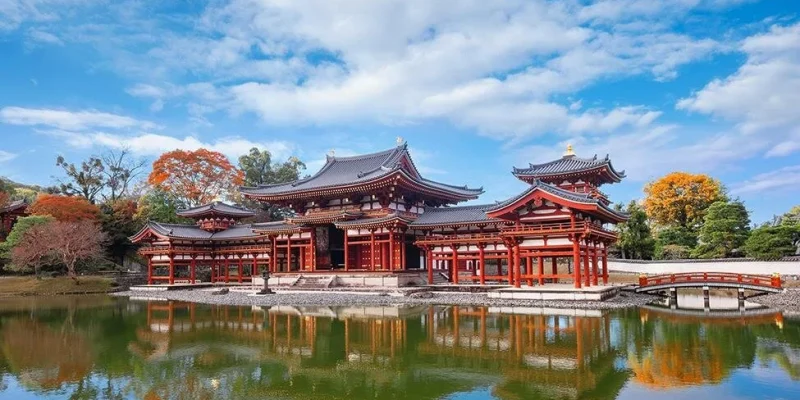
For more than a thousand years, Kyoto was Japan’s imperial capital, and it still feels like the heart of traditional culture. Wooden temples sit beside quiet gardens, geisha walk through the old district of Gion, and tea houses serve matcha in rooms that have hardly changed in centuries. For a first-time visitor, it is a lot to take in, and a little planning goes a long way.
Kyoto is a popular day trip from the ports visited on many Japan cruises, and with a focused plan, you can see a surprising amount in a single visit. Here is a guide to the essentials.
Temples Worth Seeing
- Kinkaku-ji (the Golden Pavilion): A Zen temple covered in gold leaf, reflected in a still pond. It is one of the most photographed sights in Japan.
- Kiyomizu-dera: A hillside temple with a large wooden terrace and sweeping city views, especially lovely in spring and autumn.
- Ryoan-ji: Home to a famous rock garden, a calm and mysterious arrangement of stones and raked gravel.
- Tofuku-ji: Known for its bridges and maple trees, a favorite for autumn color.
Shrines to Visit
Temples are Buddhist, while shrines belong to the native Shinto tradition. You can usually tell them apart by the gates, called torii, at shrine entrances.
- Fushimi Inari Shrine: Thousands of vermilion torii gates wind up a forested hillside. Go early to avoid the crowds, and walk as far up as you like.
- Heian Shrine: A large, colorful shrine with a spacious garden.
- Yasaka Shrine: Located at the edge of Gion, lively in the evenings, especially during festivals.
Gardens to Slow Down In
Kyoto’s gardens are designed to be experienced slowly, with every stone and tree carefully placed.
- The Philosopher’s Path: A canal-side walk lined with cherry trees, pleasant in any season.
- Arashiyama Bamboo Grove: Towering green stalks that sway and whisper in the breeze.
- Nijo Castle: A historic castle with a beautiful garden and floors designed to “sing” when walked on.
Gion: The Old Entertainment District
Gion is Kyoto’s best-known historic district, with wooden townhouses, lantern-lit lanes, and tea houses. With luck, you might see a geiko or maiko, the Kyoto terms for geisha and apprentices, on their way to an evening appointment. Photography etiquette matters here, so be respectful and avoid blocking narrow streets.
A One-Day Kyoto Plan
- Morning: Visit Fushimi Inari early, before the crowds arrive.
- Late morning: Head to Kiyomizu-dera and stroll the old lanes of the Higashiyama district.
- Lunch: Try tofu dishes, soba noodles, or a small kaiseki-style set meal.
- Afternoon: See Kinkaku-ji, or visit the Arashiyama bamboo grove.
- Early evening: Wander through Gion as the lanterns light up.
Etiquette Tips
- Remove your shoes when entering temple halls and tea houses.
- Keep your voice low in temples and gardens.
- Follow signs about photography, since some areas do not allow it.
- Carry a small bag for trash. Public trash cans are rare in Japan.
- Bow slightly at shrine gates. It is a small gesture of respect.
Getting Around
Kyoto is easy to explore, but sights are spread out. Buses and trains connect the major areas, and taxis are convenient for short hops between sites. Many visitors choose a guided tour to maximize limited time.
Bring Home a Piece of Kyoto
Kyoto is known for fine crafts, including ceramics, paper goods, and textiles. Matcha sweets and green tea make easy gifts, and small shops in the old districts are full of thoughtful souvenirs.
A City That Rewards Slowing Down
The best way to experience Kyoto is not to rush. Pick a few places, linger, and let the quieter moments sink in. A single raked garden or lantern-lit lane may become your favorite memory.
For current event listings, seasonal highlights, and practical details, the Kyoto Travel Guide is a useful official resource.











Comments